

Wavetec Shares Georgetown McDonough MBA Patient Survey: Wait-Time Uncertainty Drives Demand for Self Check-In
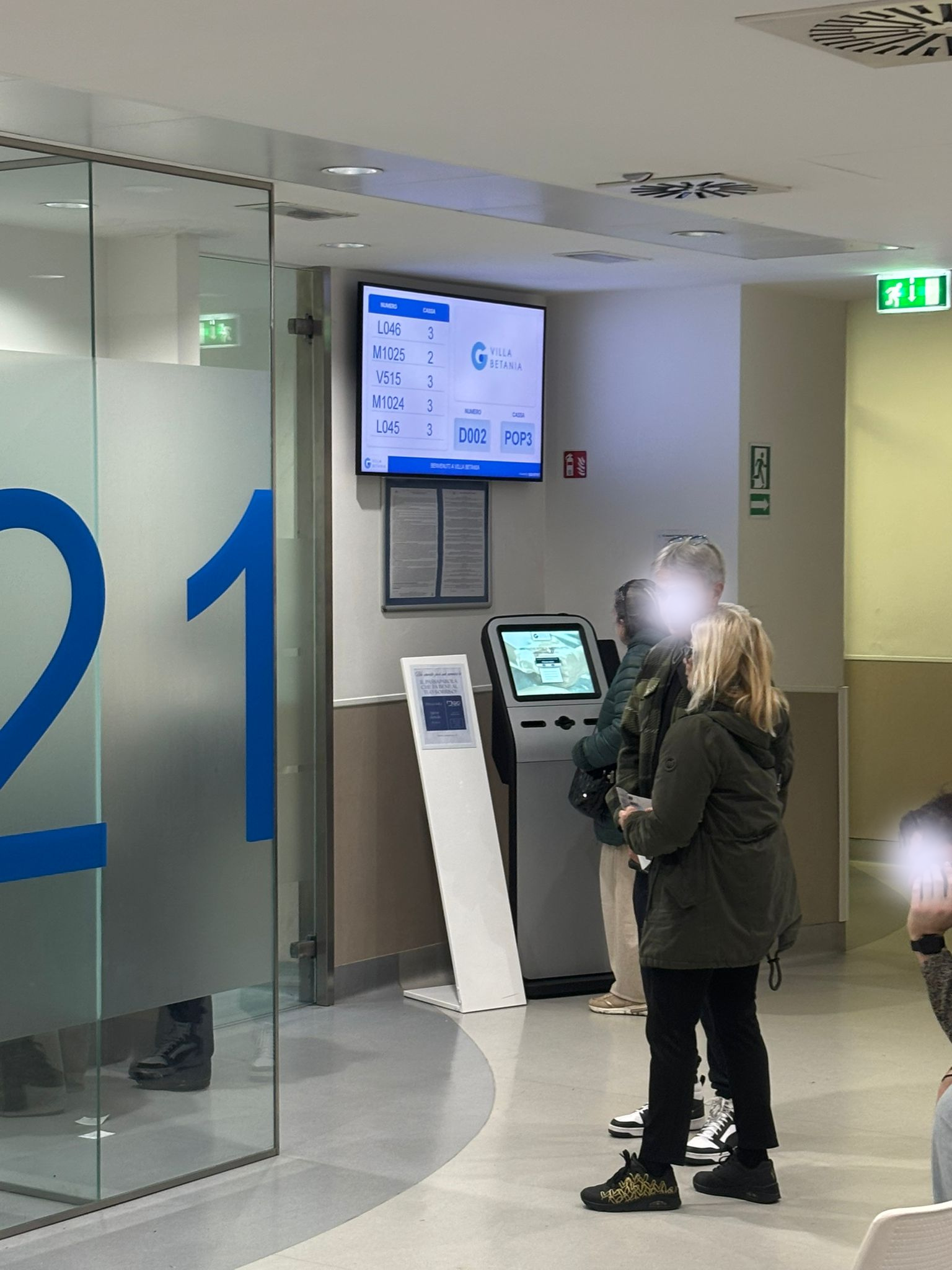
An MBA study, supported by Wavetec, finds 73.3% of patients want estimated wait times more than any other information, and most are ready to check in digitally
This study confirms patients can tolerate a wait, but not silence. Kiosk or mobile check-in must show queue status and next steps, while keeping staff available for support.”
NEW YORK, NY, UNITED STATES, November 3, 2026 /EINPresswire.com/ -- Wavetec, a global customer-flow and self-service technology company, today shared the results of a patient-experience study conducted by MBA students at Georgetown University’s McDonough School of Business. The survey of 290 U.S. adults found that the leading source of frustration in waiting rooms is not the length of the wait, but the lack of information: 64.8% named the absence of a wait-time estimate as their primary source of dissatisfaction, and 73.3% said an estimated wait time is the single most helpful piece of information a facility could provide.— Tobias Bessone, Deputy CEO of Wavetec
The research was designed and carried out by the student team over several months. Wavetec supported and guided the team throughout, sharing knowledge gained from deploying patient-flow and self check-in solutions with healthcare providers around the world, including McLeod Health’s 45 medical centers in the United States and the UAE Ministry of Health and Prevention.
Information gaps outweigh the wait
On a five-point frustration scale, “not knowing how much longer” scored highest (3.29), followed by “not knowing why there was a delay” (3.14) and “not getting updates unless asked” (3.10). The wait itself, when the reason was understood, scored lowest (2.95).
Emergency visits amplified the problem. Overall frustration was higher than for a typical doctor visit (3.34 versus 3.10, a statistically significant 7.7% increase), and patients reported feeling more “forgotten” and “ignored.” For emergency visits, 69.3% wanted estimated wait times shown on kiosks and 55.7% wanted them sent to their phones.
Repeated intake, and a clear appetite for self check-in
More than one in three respondents (34.5%) gave the same medical information multiple times during check-in, rising to 37.1% for emergency visits. Patients signaled strong readiness for alternatives: 60.5% were very comfortable checking in with a mobile app and 53.4% with a self-service kiosk, and 52.7% ranked a digital option as their first choice. Comfort was consistent across ages, with respondents aged 46 to 60 reporting the highest comfort. The sample was highly educated and digitally fluent, which should be considered when generalizing.
Interviews with leaders at two large U.S. health systems added that current check-in kiosks streamline registration and insurance verification but rarely keep patients informed during the wait or after the visit.
How self check-in addresses the findings
Wavetec’s self check-in kiosk and mobile self check-in app are designed around the gaps the study identifies. Patients identify themselves by ID, barcode or QR code, or optional consent-based facial recognition, and are matched to their appointment through the hospital’s EHR. Demographics, digital forms and e-consents are captured once, reducing repeated intake. Insurance eligibility can be verified and copays collected through an integrated EMV payment terminal. Patients then receive a queue ticket with their position and estimated wait time, followed by status updates by SMS or WhatsApp, while accessible kiosk designs and staff-assisted check-in serve patients who prefer a person.
“The students’ research confirms what we see in hospitals every day: patients can tolerate a wait, but not silence,” said Tobias Bessone, Deputy CEO of Wavetec. “Self check-in should do more than move registration from the desk to a screen. It should tell every patient where they stand and what happens next, on a kiosk or on their own phone, with a person always available for those who need one. Guiding this talented Georgetown McDonough team was a privilege.”
About the study
The study was conducted by Georgetown University McDonough School of Business MBA students Mathanki Sreeskand Rajah, Phu Nguyen, Nisarga Nagaraj, Vignesh Swamynathan, Rama Bikkina and Paul Sharalla, with guidance from Wavetec. Data were collected in March 2026 from 290 U.S. adults. Full survey findings are available at Wavetec’s website.
About Wavetec
Wavetec is a global customer experience technology company that has provided queue management, self check-in kiosks, appointment scheduling and patient-flow analytics since 1986, with more than 30,000 installations across 80+ countries, including hospitals and health systems. More information is available at www.wavetec.com.
Tobias Bessone
Wavetec
+971 55 221 6478
Visit us on social media:
LinkedIn
Instagram
Facebook
YouTube
X
Legal Disclaimer:
EIN Presswire provides this news content "as is" without warranty of any kind. We do not accept any responsibility or liability for the accuracy, content, images, videos, licenses, completeness, legality, or reliability of the information contained in this article. If you have any complaints or copyright issues related to this article, kindly contact the author above.
